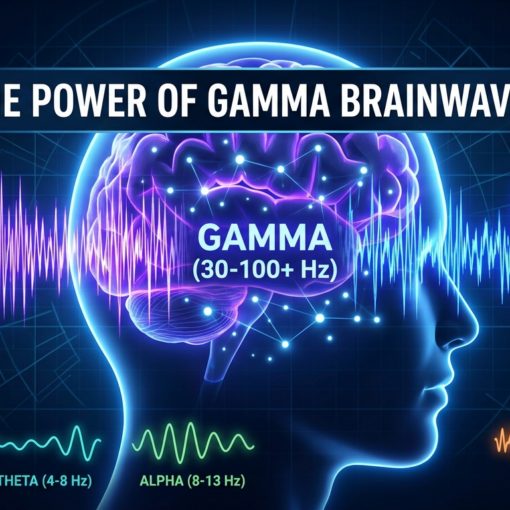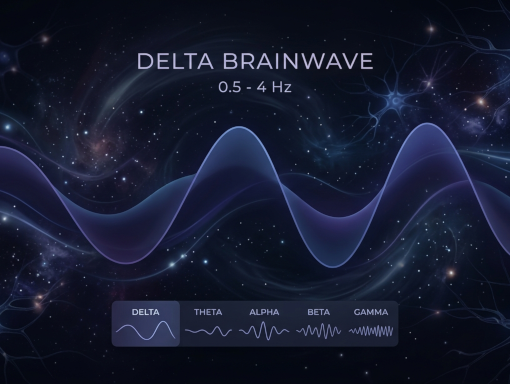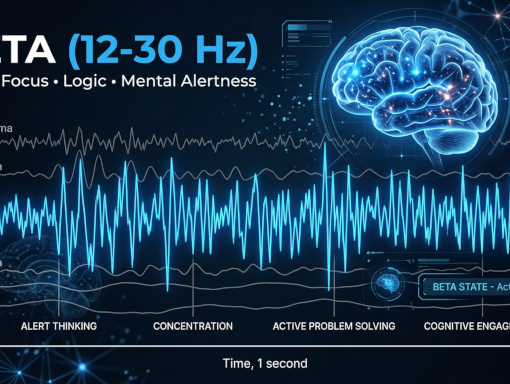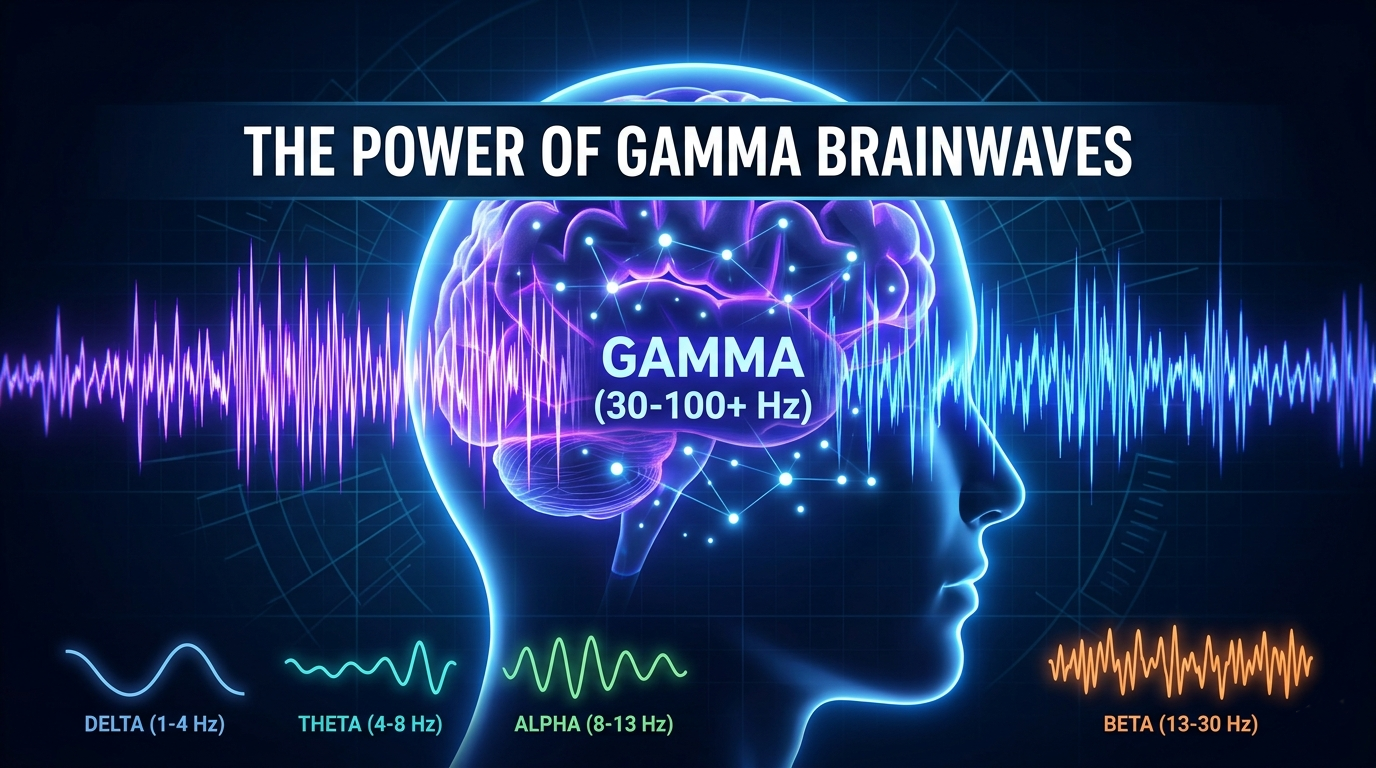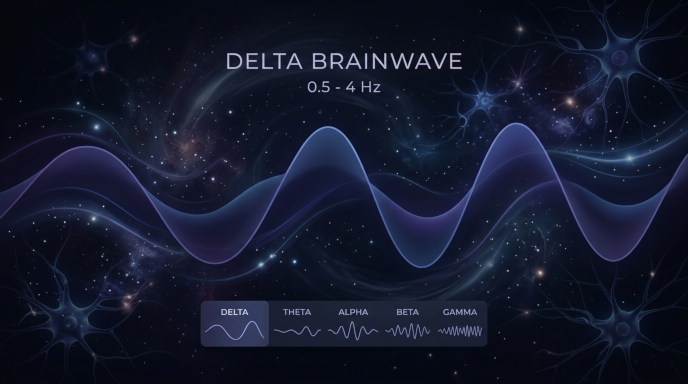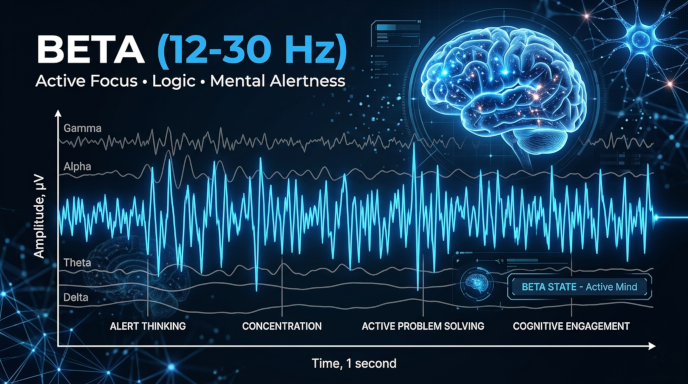
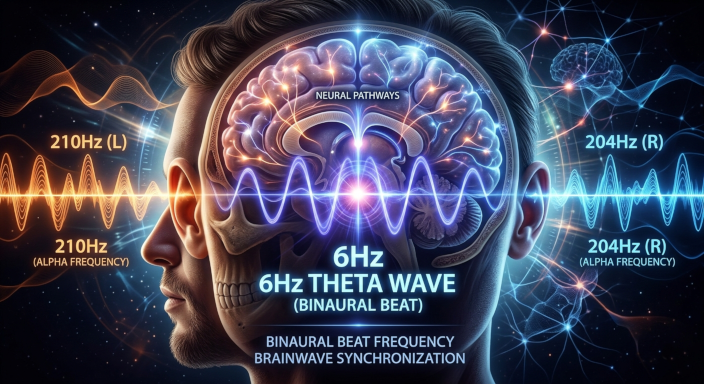
The phenomenon of binaural beats occurs when two slightly different frequencies are presented separately to each ear. The brain perceives a third phantom frequency, known as the binaural beat, which is the mathematical difference between the two tones. When this difference falls within the 4Hz to 8Hz range, it is classified as a Theta binaural beat. This document explores the specific research surrounding Theta entrainment, its harmonic relationship to planetary resonances, and the clinical outcomes of its application.
Theoretical Framework of Theta Entrainment
Theta brainwaves are typically associated with the transition between wakefulness and sleep, deep meditation, and the subconscious mind. Research into brainwave entrainment (BWE) suggests that the brain has a natural tendency to synchronize its dominant EEG frequency to the rhythm of external stimuli.
- Frequency Following Response (FFR): This is the biological mechanism where the cortical output of the brain aligns with the frequency of the binaural beat.
- The Role of the Superior Olivary Complex: This part of the brainstem is responsible for processing sound direction and is where the integration of the two disparate tones occurs, creating the perception of the Theta pulse.
- Neurotransmitters and Theta: Studies indicate that sustained Theta states are linked to the release of GABA and acetylcholine, which facilitate relaxation and memory consolidation.
The Schumann Resonance and Harmonic Carrier Frequencies
A specialized area of study within psychoacoustics examines the carrier frequency—the actual pitch of the tones used to deliver the beat. While the binaural beat itself is the “signal,” the “carrier” is the vehicle.
Research has explored the efficacy of using carrier frequencies that are integer harmonics of the Schumann Resonance (7.83Hz). The Schumann Resonance is the electromagnetic frequency of the Earth’s ionosphere.
- The 7.83Hz Correlation: Proponents of this theory suggest that using a carrier frequency that is a multiple of 7.83Hz (e.g., 140.94Hz or 250.56Hz) may reduce biological resistance to entrainment.
- Biological Tuning: The hypothesis posits that because human biological systems evolved within the Earth’s electromagnetic field, carrier frequencies harmonic to this field are more “organic” to the nervous system, potentially deepening the entrainment process.
- Harmonic Resonance: In physics, resonance occurs more efficiently when frequencies are mathematically related. By aligning the carrier frequency with planetary resonance, researchers aim to maximize the signal-to-noise ratio in the brain’s auditory processing centers.
Research and Clinical Results
Several peer-reviewed studies have isolated the effects of Theta binaural beats on human cognition and physiology.
- Reduction in Pre-operative Anxiety: A study published in the Journal of Alternative and Complementary Medicine demonstrated that patients listening to Theta binaural beats experienced a significant reduction in anxiety compared to a control group.
- Memory Enhancement: Research conducted at the University of California, Irvine, suggested that Theta oscillations are critical for “long-term potentiation,” the process by which memories are formed. Theta binaural beats were shown to improve performance in associative memory tasks.
- Pain Management: Clinical trials have utilized Theta entrainment to reduce the perception of chronic pain. By inducing a state of deep relaxation, the “pain gate” mechanism is modulated, leading to lower reported levels of discomfort.
Target Goals for Theta Entrainment Therapy
The application of Theta binaural beats is usually goal-oriented, focusing on internal states rather than external productivity.
| Target Goal | Description of Outcome | Scientific Basis |
|---|---|---|
| Deep Relaxation | Reduction in cortisol and physical tension. | Activation of the Parasympathetic Nervous System. |
| Hypnagogic Mapping | Facilitating the state between wakefulness and sleep for lucid dreaming. | Prolonging the natural Theta transition period. |
| Enhanced Creativity | Access to “Aha!” moments and non-linear problem solving. | Increased connectivity between distant brain regions. |
| Stress Reduction | Lowering of the heart rate and respiratory rate. | Synchronization of cardiac and cerebral rhythms. |
| Memory Consolidation | Improved retrieval of learned information. | Alignment with the hippocampus’s natural firing rate. |
Therapeutic Practice and Implementation
The use of Theta binaural beats in a therapeutic setting involves specific protocols to ensure the Frequency Following Response is triggered effectively.
- Acoustic Isolation: Because the beat is created within the brain, stereo headphones are mandatory. Without them, the frequencies mix in the air, and the brain does not perform the integration required to create the phantom frequency.
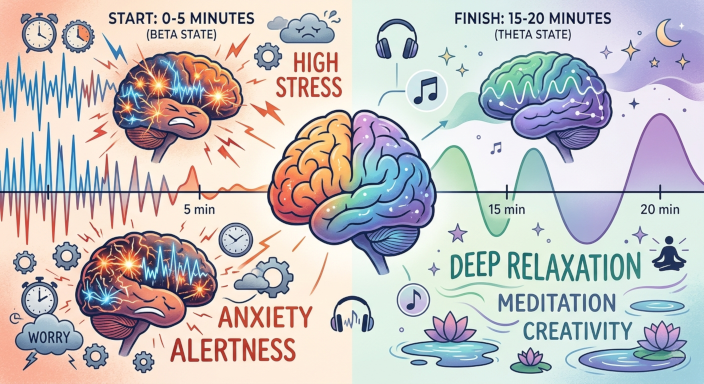
- Duration: Research suggests that the brain requires approximately 5 to 7 minutes of exposure to a frequency before the FFR begins to take hold. Sessions are typically recommended to last 20 to 45 minutes.
- Volume Levels: The tones do not need to be loud to be effective. Studies show that as long as the tones are audible above the noise floor, the brain will process the binaural beat.
- Consistent Carrier Tones: Using a steady, pure sine wave as the carrier frequency is often cited in research as more effective for raw entrainment than complex musical textures, which can distract the auditory cortex.
Scientific Citations and Foundations
The validity of Theta entrainment is supported by various neurological observations:
- Oster, G. (1973). Auditory binaural beats. Scientific American. This foundational paper identified the biological mechanism of how humans perceive binaural beats.
- Lane, J. D., et al. (1998). Binaural auditory beats affect vigilance and performance. Physiology & Behavior. This study confirmed that specific frequency ranges (Theta/Delta vs Beta) produce distinct psychological states.
- Wahbeh, H., et al. (2007). Binaural beat technology in humans: a pilot study to assess psychologic and physiologic effects. Journal of Alternative and Complementary Medicine. This research focused on the reduction of anxiety and the increase in quality of life through Theta-range stimulation.
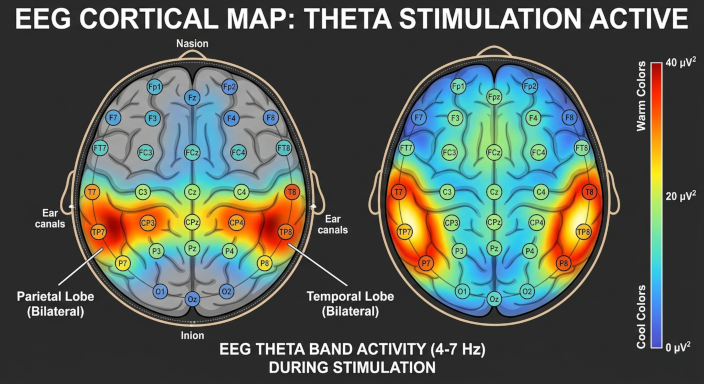
Below is an EEG map highlighting the temporal and parietal lobes during Theta stimulation
Conclusion on Theta Synchronization
The use of Theta binaural beats represents a non-invasive, tech-assisted method of reaching states of consciousness that usually require years of meditative practice. By utilizing carrier frequencies harmonic to the Earth’s natural resonance, the practice seeks to align human biology with environmental physics. The resulting entrainment facilitates a range of therapeutic benefits, from profound stress relief to the enhancement of cognitive plasticity.
Would you like to explore the mathematical breakdown of these carrier frequency harmonics or see the specific decibel levels recommended for clinical use?