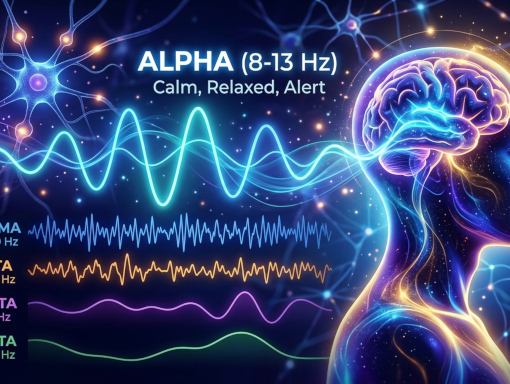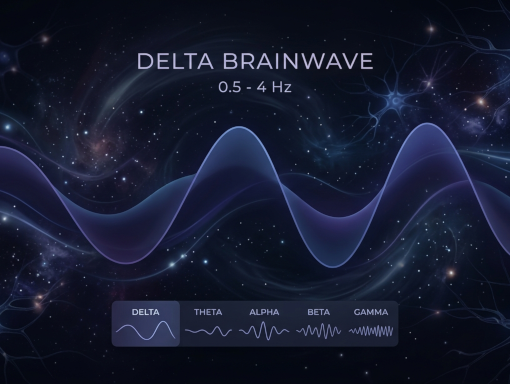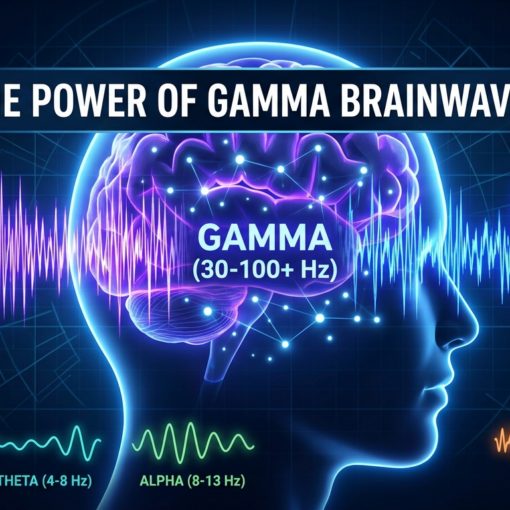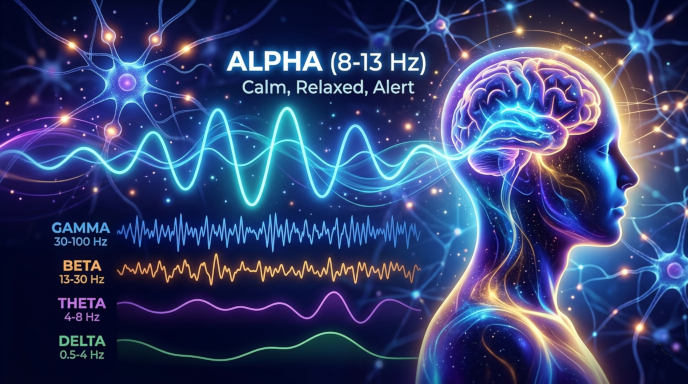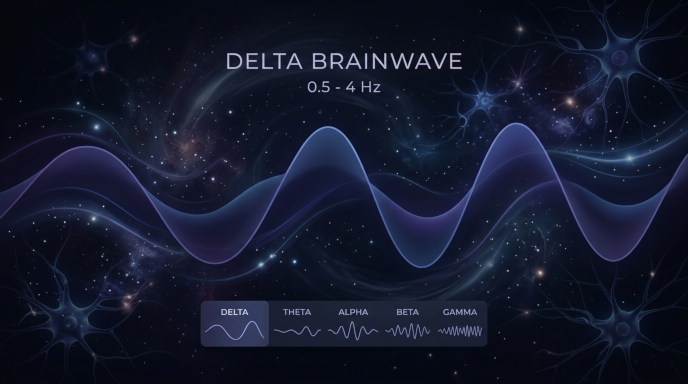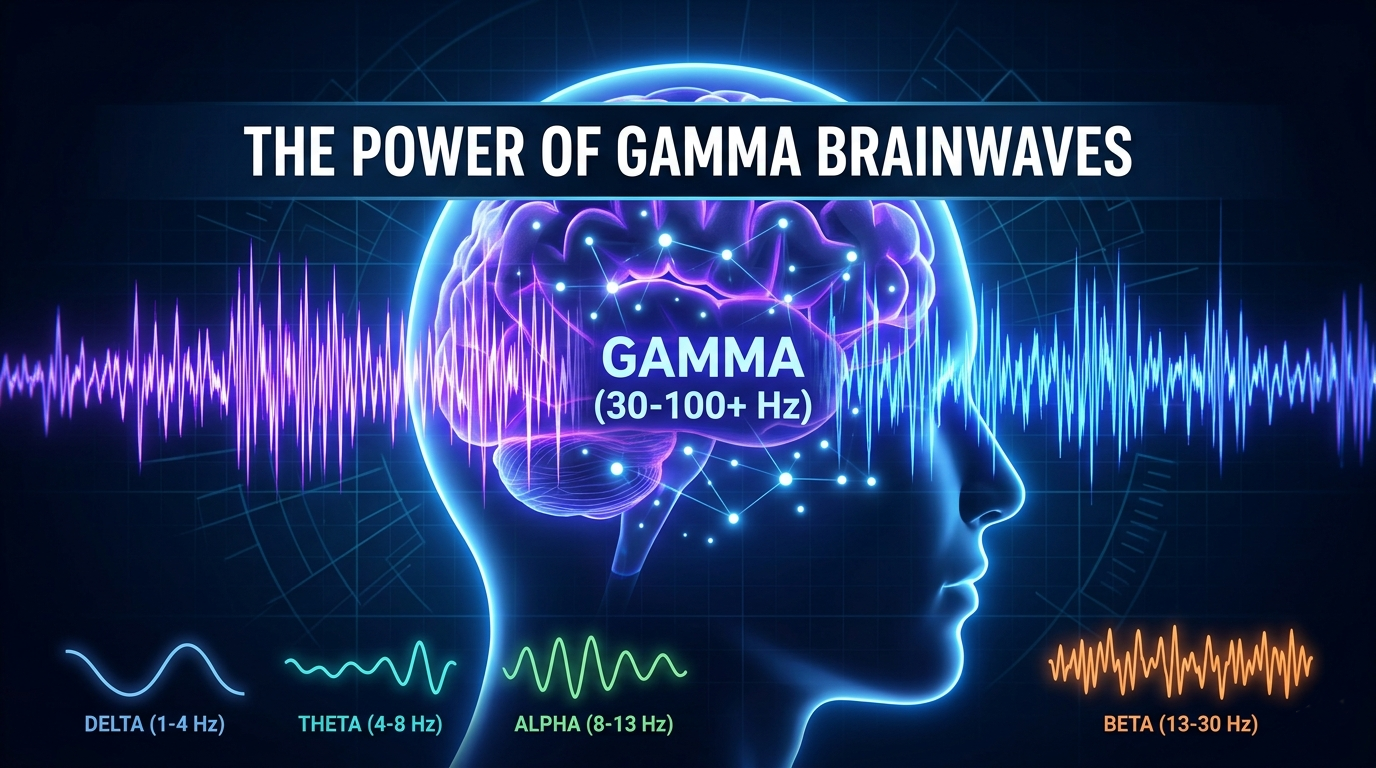
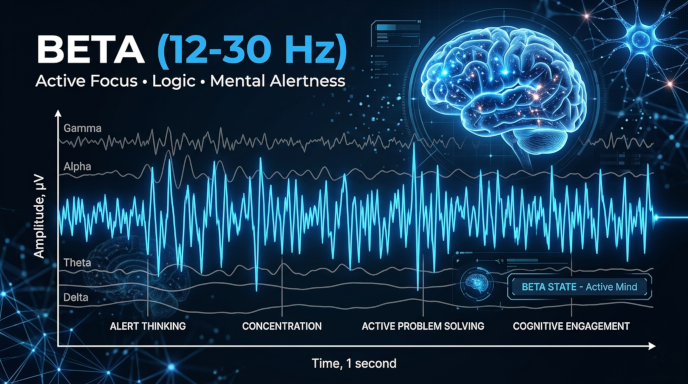
This comprehensive overview details the research and outcomes associated with binaural beats specifically targeting the beta brainwave frequency. It explores the connection between these auditory stimuli and the electromagnetic resonance of the Earth, providing a scientific framework for their use in therapeutic settings.
1. Research and Clinical Results of Beta Brainwave Binaural Beat Stimulation
Binaural beats occur when two tones of slightly different frequencies are presented separately to each ear. The brain perceives a third phantom frequency that is the difference between the two. For the beta range, which typically spans 13 Hz to 30 Hz, this auditory phenomenon is used to influence cognitive states associated with high-level alertness and analytical thought.
Research indicates that beta-frequency binaural beats can effectively modulate mental performance. A study published in Scientific Reports highlights that these beats are a noninvasive method to enhance cognitive control. Furthermore, researchers in a study featured in Frontiers in Human Neuroscience found that participants exposed to 16 Hz and 24 Hz beta beats for 30 minutes showed improved performance on vigilance tasks and reported less negative moods compared to those in other frequency conditions.
2. The Beta Brainwave State and Therapeutic Goals
The beta brainwave state is the most common waking frequency for humans during periods of active engagement. Therapeutic applications of beta binaural beats aim to artificially induce or stabilize this state to achieve specific outcomes:
- Enhancement of Sustained Attention: By entraining the brain to a beta rhythm, therapy aims to reduce the “vigilance decrement,” which is the natural decline in attention over time during repetitive tasks.
- Cognitive Processing Speed: Targeted beta stimulation is used to facilitate faster problem-solving and information processing.
- Mood Regulation: Clinical observations suggest that certain beta frequencies can counteract lethargy or depressive states by increasing neural excitation and dopamine levels.
- Memory Consolidation: Research suggests that beta frequencies may play a role in memory retrieval and the maintenance of items in working memory.
3. Carrier Frequencies and Schumann Resonance Harmonics
A unique area of study within binaural beat theory involves the carrier frequency—the mathematical median of the tones delivered to the left and right ears. Many practitioners and researchers suggest that the efficacy of the beat is enhanced when the carrier frequency is a harmonic of the Schumann Resonance (7.83 Hz), which is the fundamental frequency of the Earth’s electromagnetic field.
3.1 The 7.83 Hz Earth Frequency Connection
The Schumann Resonance is generated by lightning discharges in the cavity between the Earth’s surface and the ionosphere. While 7.83 Hz itself is in the theta/alpha range, it has several higher harmonics that fall directly into the beta spectrum:
- Second Harmonic: Approximately 14.1 Hz (Low Beta)
- Third Harmonic: Approximately 20.3 Hz (Mid Beta)
- Fourth Harmonic: Approximately 26.4 Hz (High Beta)
Research published in PLOS ONE and Scientific Reports has explored the synchronization between human autonomic nervous system rhythms and these environmental resonances. The theory suggests that using a carrier frequency that is a multiple of 7.83 Hz (e.g., 125.28 Hz or 250.56 Hz) may create a “biological grounding” effect, making the brain more receptive to the entrainment process.
3.2 Carrier Frequency Selection in Studies
While some studies use standard carrier frequencies (often around 400 Hz for optimal perception), research discussed in The Open Public Health Journal suggests that lower carrier tones may produce more robust entrainment effects. By aligning these carriers with Earth harmonics, therapists aim to tap into an evolutionary resonance that may facilitate deeper neural synchronization.
4. Beta brainwave Earth-Harmonic audible freqencies
Based on scientific studies and their resutls, the suggested frequencies to set in Binaural patterns to best fit the desired outcome are indicated below. These are custom “recipes” that use harmonics of the 7.83 Hz Earth frequency as carrier tones.
The table below, in columns 2 and 3, shows the suggested settings for the frequencies that are played in the left and right ears. Column 4 shows the Carrier Frequency. In advanced binaural beat design, the Carrier Frequency (the median of the tones played in each ear) is often a harmonic (multiple) of 7.83 Hz. For example, using the 25th harmonic (195.75 Hz) or the 32nd harmonic (250.56 Hz) as a base for a Delta beat is thought to provide a dual-benefit:
| Goal | Left Ear | Right Ear | Carrier Frequency | Beat (Delta) | Earth Frequency Harmonic |
|---|---|---|---|---|---|
| Active Focus | 141.77 Hz | 155.77 Hz | 148.77 Hz | 14 Hz | ~19th Harmonic |
| Problem Solving | 232.73 Hz | 252.73 Hz | 242.73 Hz | 20 Hz | ~31st Harmonic |
| High Alertness | 356.01 Hz | 380.01 Hz | 368.01 Hz | 24 Hz | ~47th Harmonic |
| Peak Cognition | 510.61 Hz | 538.61 Hz | 524.61 Hz | 28 Hz | ~67th Harmonic |
Using higher prime-number harmonics as carrier frequencies (such as the 19th harmonic at 148.77 Hz or the 71st harmonic at 555.93 Hz) is a practice in bio-resonance therapy designed to maximize “harmonic resonance” while minimizing electrical noise.
In this framework, the carrier is not just a transport for the binaural beat but a “biological key” that signals the body to enter a state of recepti
5. Mechanisms of Action and Neural Entrainment
The primary mechanism behind beta binaural beats is the frequency-following response (FFR). When the brain is presented with a consistent beta stimulus, the electrical activity of the cortex begins to oscillate at that same frequency.
- Input: 200 Hz tone in the left ear; 220 Hz tone in the right ear.
- Processing: The superior olivary complex in the brainstem integrates these signals.
- Output: The brain perceives a 20 Hz (beta) phantom beat.
- Entrainment: The EEG (electroencephalogram) patterns of the listener gradually align with the 20 Hz rhythm.
This process is visualized in conceptual models showing the transition from disorganized neural firing to synchronized wave patterns.
Brainwave Entrainment
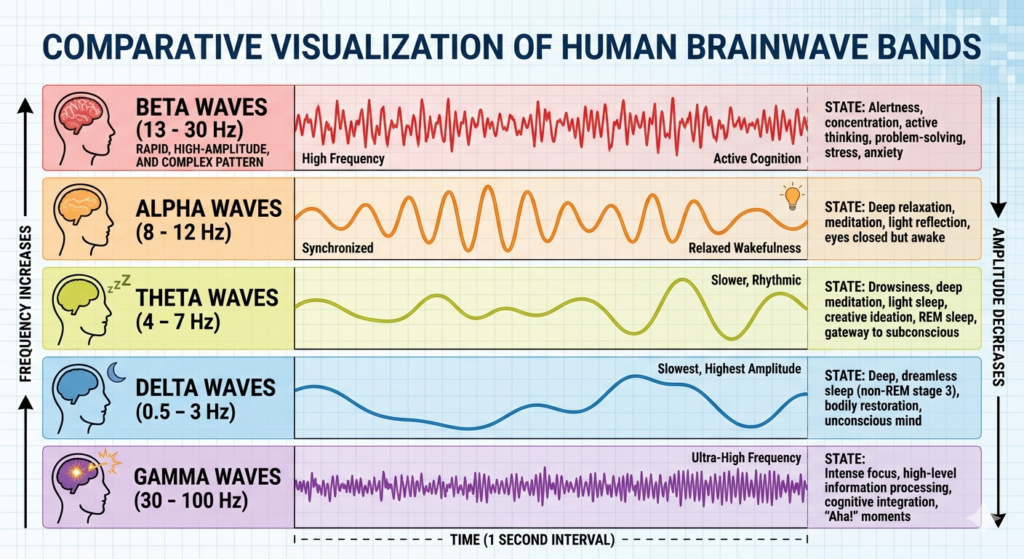
This image illustrates the different brainwave bands, showing the rapid, high-amplitude nature of Beta waves compared to slower states.
Binaural Beat Generation Process
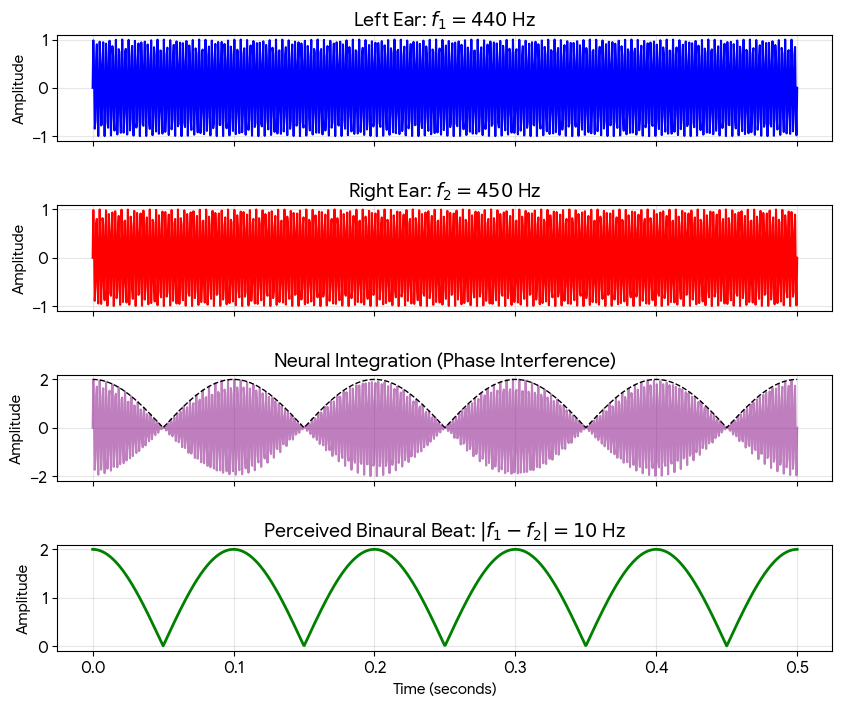
This diagram demonstrates how two disparate frequencies are integrated by the brain to create the perceived binaural beat.
6. Evidence-Based Applications in Therapy
The use of beta binaural beats is increasingly supported by peer-reviewed literature for specific clinical and professional settings:
- Workplace Productivity: Studies have indicated that 20 Hz stimulation can improve task accuracy during complex digital workflows.
- Academic Performance: Short-term exposure to beta beats before or during study sessions has been linked to better recall of factual information.
- Sports Psychology: Athletes use mid-beta beats to achieve a “quiet eye” or “flow state” that requires intense focus and rapid reaction times.
A systematic review published in Frontiers in Psychiatry concludes that while individual responses vary, the potential for beta-frequency stimulation to act as a “cognitive enhancer” is significant. The integration of harmonic carrier frequencies further refines this practice, suggesting a bridge between environmental physics and human neurobiology.